

Pulse Oximeters: A Simple Device to Monitor Oxygen Levels
Monitoring oxygen levels in the body is an important part of routine health assessment in hospitals, clinics, and home-care environments. A pulse oximeter is a small but useful device that helps measure the oxygen saturation in the blood along with the pulse rate. These devices have become common in healthcare settings because they provide quick readings without the need for blood samples.
Pulse oximeters are widely used in emergency rooms, operating theatres, ambulances, and home monitoring setups. They are especially valued for their convenience, portability, and simple operation. Modern fingertip models allow individuals to check oxygen levels in seconds, making them practical for both medical professionals and home users.
Across Coastal Karnataka, healthcare providers and families increasingly rely on pulse oximeters for routine health monitoring and general wellness awareness.
What Is Pulse Oximeters?
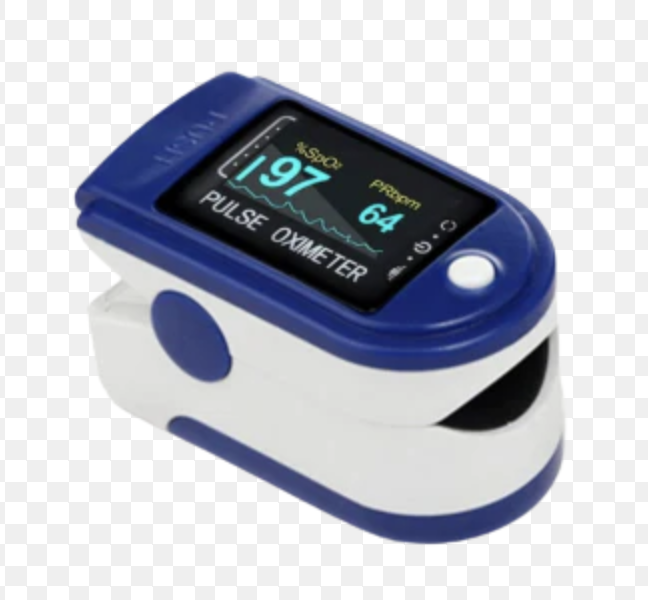
A pulse oximeter is a small electronic medical device used to measure the oxygen saturation level (SpO₂) in a person’s blood and the pulse rate. It usually clips onto a fingertip, ear, or toe and uses light sensors to analyze how much oxygen the blood is carrying.
The device works by shining red and infrared light through the tissue and detecting how the blood absorbs the light. By comparing these signals, it estimates the percentage of oxygen attached to hemoglobin in the blood.
Pulse oximetry is considered a non-invasive and painless method to check oxygen levels. The measurement usually appears on the screen within a few seconds, displaying both oxygen saturation (SpO₂) and heart rate.
Because of their convenience and speed, pulse oximeters are commonly used in hospitals, clinics, emergency care settings, and even at home for routine monitoring.
Who Needs Pulse Oximeters?
Pulse oximeters are useful in many healthcare environments and situations where oxygen levels need to be monitored.
Hospitals use pulse oximeters in patient wards, ICUs, and operating theatres to track oxygen saturation during treatment or surgery.
Clinics use them during general checkups to measure basic vital signs along with blood pressure and temperature.
Diagnostic labs include oxygen monitoring as part of basic health screening and respiratory assessments.
Ambulances carry portable pulse oximeters for quick patient evaluation during emergency transport.
Nursing homes regularly monitor residents’ oxygen levels as part of routine health observation.
Home-care users often use fingertip pulse oximeters to monitor oxygen levels during illness, recovery, or general health awareness.
Because oxygen saturation is an important vital parameter, pulse oximeters are widely used in both professional medical settings and home environments.
Common Types / Key Products Under Pulse Oximeters
Pulse oximeters are available in several designs depending on where and how they are used.
-
Fingertip Pulse Oximeters
-
Handheld Pulse Oximeters
-
Tabletop Pulse Oximeters
-
Pediatric Pulse Oximeters
-
Neonatal Pulse Oximeters
-
Wrist-Worn Pulse Oximeters
-
Portable Pulse Oximeters
-
Bluetooth-Enabled Pulse Oximeters
-
Rechargeable Pulse Oximeters
-
Hospital Grade Pulse Oximeters
-
Multi-Parameter Monitor Oximeters
-
Continuous Monitoring Oximeters
-
Sports & Fitness Pulse Oximeters
-
Sleep Monitoring Pulse Oximeters
Each type serves different needs—from quick fingertip checks at home to continuous monitoring systems used in hospitals.
How to Choose the Right Pulse Oximeters
When selecting a pulse oximeter, consider the following points to ensure you choose a reliable and practical device.
-
Choose fingertip models for quick home monitoring
-
Look for clear digital displays for easy reading
-
Select medical-grade devices for hospitals or clinics
-
Ensure the device provides both SpO₂ and pulse rate readings
-
Choose lightweight and portable designs for travel or emergency use
-
Check battery life or rechargeable options
-
Consider pediatric versions for children if needed
-
Look for automatic shut-off features to save battery
-
Ensure the device has simple one-button operation for easy use
-
Choose models with durable build quality for frequent use
The best pulse oximeter should be reliable, easy to operate, and suitable for the environment where it will be used.
Where to Buy Pulse Oximeters in Coastal Karnataka
If you are looking for dependable pulse oximeters, Girija Surgicals is a trusted supplier of healthcare equipment in Coastal Karnataka.
Girija Surgicals serves hospitals, clinics, caregivers, and home users across Udupi, Kundapura, Manipal, and Mangalore, offering a wide selection of pulse oximeters and medical monitoring devices. Their range includes fingertip models for home use as well as professional devices for hospitals and clinics.
Healthcare professionals and families in Udupi, Kundapura, Manipal, and Mangalore rely on Girija Surgicals for quality medical supplies and reliable healthcare equipment.
You can also explore and purchase pulse oximeters online by visiting:
WWW.GIRIJASURGICALS.SHOP
The online store offers convenient access to medical devices and healthcare essentials for clinics, hospitals, and home-care users across Coastal Karnataka.
.
To read more such interesting and useful content click here